Join us to open up new frontiers in catalyst design.
At Level Nine you would work alongside chemists, biologists, engineers and computational scientists who care about getting the fundamentals right. Rebuilding a catalyst from its building blocks is slow, exacting work, and the industries waiting for it do not accept approximations.
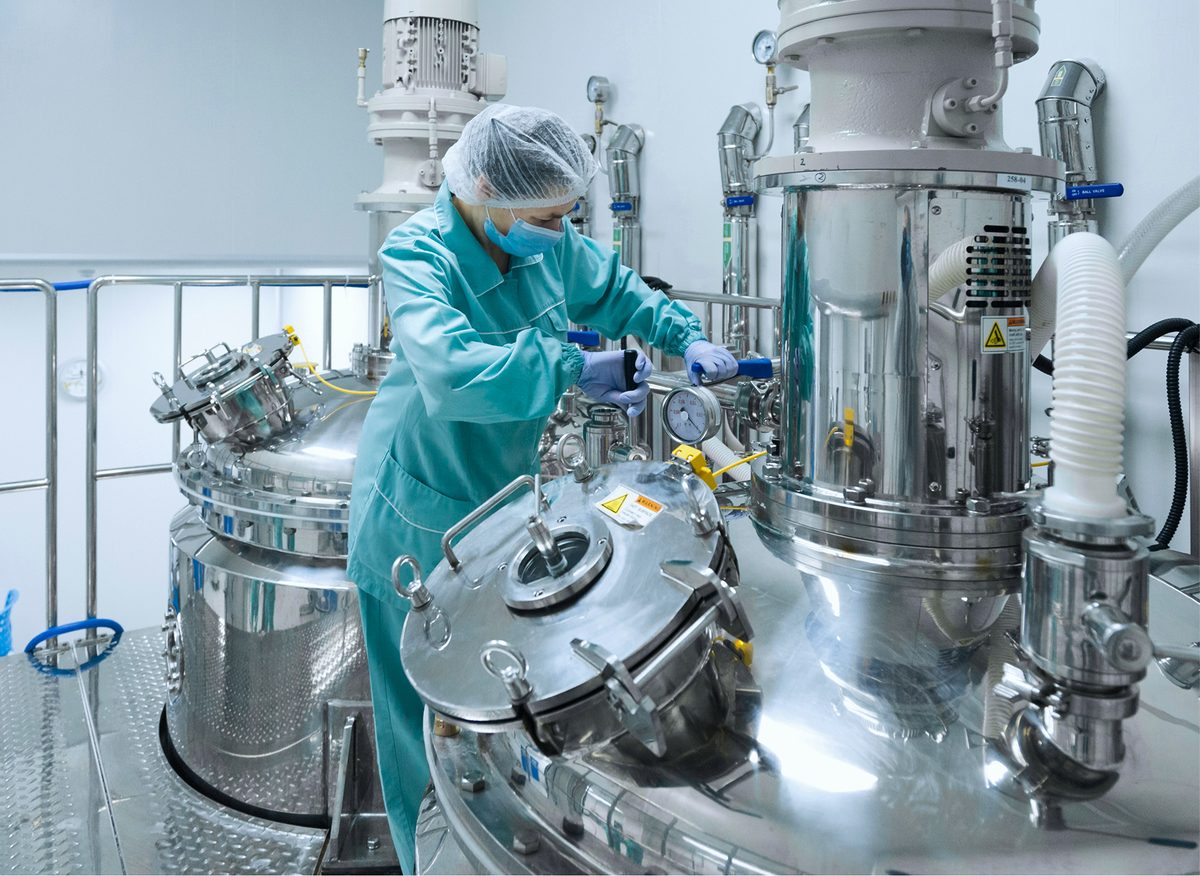
A career with consequences
We work at a scale where a single bond determines whether a process is viable. Getting there takes curiosity, patience and rigour. If difficult technical problems and actual industrial consequences are what motivate you, there is a place here.
We take on problems others have written off. Lignin has defeated commercial routes for decades, which is exactly why we started there.
We sit between biology, chemistry, engineering and computation, and most of the useful answers are somewhere between them. That means asking people outside your discipline naive questions, often, and not minding being the least expert person in the room.
We publish results, not expectations. Claims are separated into demonstrated, in development and possible, and nobody here is rewarded for blurring the three. Elegance in a model counts for nothing until it works outside the lab.
A catalyst goes through many designs before one survives real feedstock. We change the approach when the evidence says to, and stay with the problem when it does not. Neither of those is the same as being stubborn.
Open Roles
Nothing listed that fits?
We would rather hear from the right person at the wrong time than miss them. Tell us what you work on and why this is interesting to you.