By combining the precision of biology with the robustness industrial chemistry demands, Level Nine opens routes to new reactions, new molecules and materials, and new ways to produce.

Change something very small.Change what the chemical industry can make.

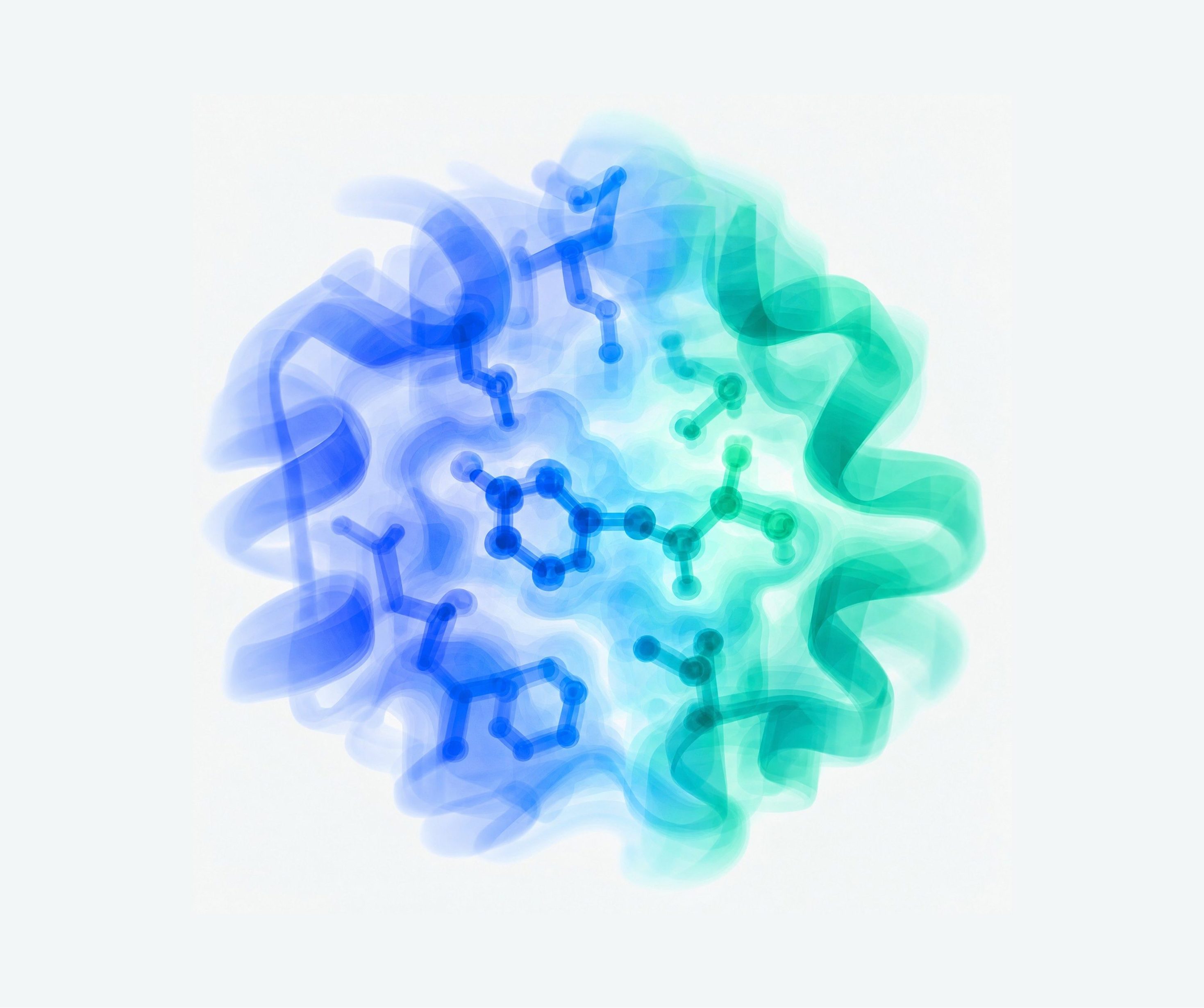
Render of an enzyme's active site: protein ribbons around a bound molecule, in blue and green
Rebuild enzymes' active sites

Rebuild enzymes' active sites

Less than 1% of an enzyme does the catalytic work. The rest is scaffolding, built to hold that fraction in place inside a living cell rather than inside a reactor.

We model that fraction and rebuild it as a small synthetic structure, designed for industrial conditions from the start rather than adapted to survive them. The precision, without the protein around it.

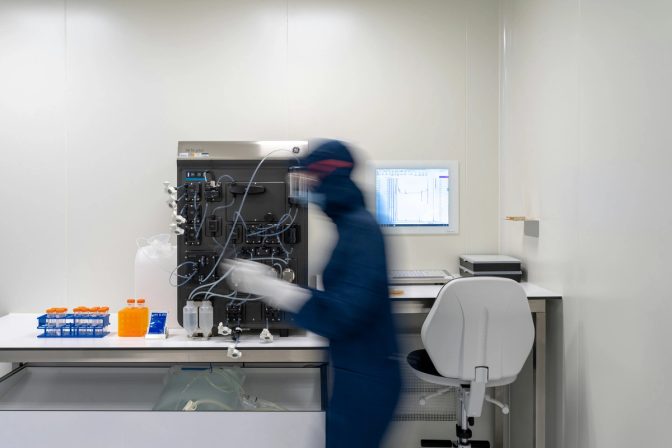
Scientist in a cleanroom suit operating a bioprocess system
Inside a reactor: agitator blades and a coil, rendered in translucent blue and green
New industrial realities

New industrial realities

Rebuilt that way, our catalysts are precise, robust, and cost-effective. Perfect for messy feedstocks, and designed to work in conditions that would destroy the enzymes they were modelled on.

This unlocks a new industrial model. Production can sit where the feedstock already is, profitable at the scale that actually fits, making molecules and materials conventional catalysts could never reach.

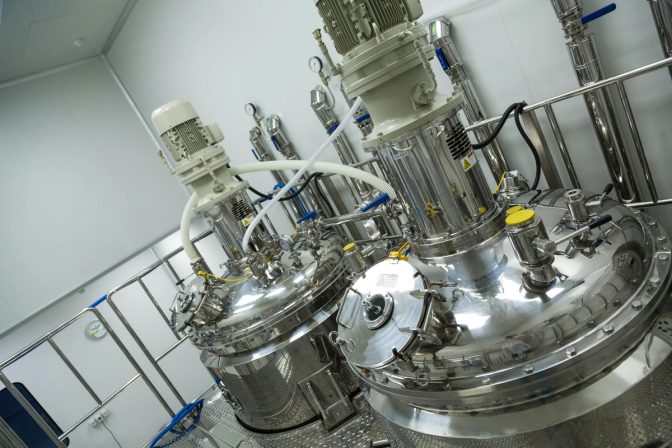
Stainless steel bioreactors in a cleanroom

Our ecosystem

Powered by artificial intelligence

Level Nine is a platform that rebuilds catalysts from first principles.

We break biological catalytic machinery down to its fundamental building blocks, work out what makes it function, and rebuild it for industry. Machine learning makes that search possible at scale, across a design space far larger than any lab could test.

Platform

Routes

Our current pipeline

New catalysts create a new industrial model.

Local abundance

Value from feedstocks that are locally available and, until now, impractical, instead of fossil-derived inputs.
New chemical possibilities

Reactions biology never evolved, running under milder conditions, and new routes to molecules and materials conventional catalysts cannot reach.

Modular production

Catalysts that work under milder conditions make smaller, regional and more efficient facilities possible.

Mild conditions

60°C at atmospheric pressure, which means low embedded emissions and a far smaller demand on plant.

Highly selective

Selective bond breaking gives a low molecular weight, homogeneous product rather than the mixture lignin usually gives up.

Supply Chain Sovereignty

Local feedstocks turned into products in regional plants, building value chains that are strategically secure and less exposed to imported fossil inputs.

Level Nine gives the industry something it has never really had. Choice.

Value from feedstocks that are locally available and, until now, impractical, instead of fossil-derived inputs.

Production can sit where the feedstock already is, not where extreme conditions are affordable.

A plant sized to the demand in front of it, not vast enough to justify itself.

Molecules and materials that were previously impossible, unlocked through new molecular machinery.